If you’ve signed up for the gym recently or heeded the advice (particularly for the over 50s!) to include some more strength or resistance training into your routine you may have come across talk of the benefits of creatine. It’s no surprise if you have, since creatine is the world’s most heavily researched supplement and is well-known in athletic circles.
However, whilst once seen mainly as a bodybuilder’s secret weapon, new research reveals that creatine’s potential goes far beyond muscle and plays a vital role in supporting energy production, cognitive function, and overall vitality.
What is creatine and why do we need it?
Creatine is a substance found naturally in the body, particularly in muscle cells, as phosphocreatine. Phosphocreatine acts as a rapid energy reserve within cells because it aids the formation of adenosine triphosphate (ATP). Often called the body’s energy currency, ATP as it is the key molecule our cells use for energy and all basic life functions.
During exercise, ATP is broken down to produce energy. The rate of ATP resynthesis limits our ability to continually perform at maximum intensity, as we use ATP faster than we reproduce it. When we can make more ATP, our body can perform better during exercise. Whilst the body can produce creatine this only produces about half of our daily need for creatine. The remaining creatine needed to maintain normal levels comes from the diet, typically 1-2g per day. Since creatine is concentrated in muscle tissue, food sources are primarily red meat and fish. There is negligible creatine in plant foods, although they do contain the building blocks needed for the body to produce it. Beef, lamb and venison are particularly good sources with a 100g portion providing between 0.5 and 1g of creatine. Organ meats, such as liver and kidney, also contain similar levels.
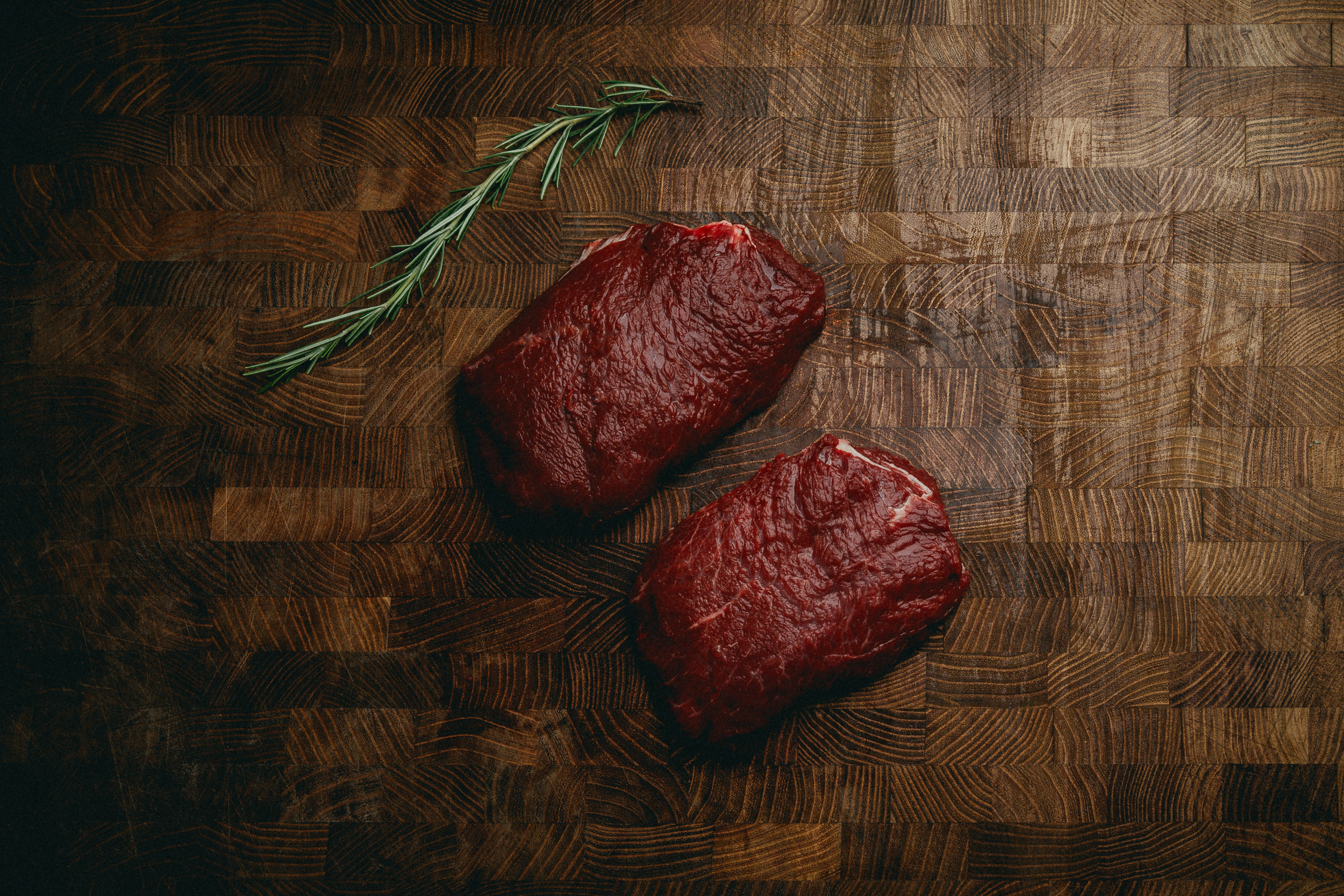
However, several factors affect creatine levels in food. Meat from the muscle of animals with high muscular activity tends to have more creatine and fresher, minimally processed meat tends to preserve more creatine. High heat and overcooking can also degrade creatine. Whilst eating foods high in creatine is very supportive, the research on the benefits of creatine is typically based on getting 3-5 grams per day, so taking a creatine supplement can also be helpful to bridge the gap.
Why is creatine supplementation helpful?
Creatine is often taken as a supplement to improve athletic performance. It has been researched for more than 200 years, and numerous studies support its safety for long-term use. Clinical trials lasting up to 5 years report no adverse effects in healthy individuals. What’s more, supplementing is very easy — simply take 3–5 grams of creatine monohydrate powder per day has been shown to enhance both physical and mental performance by supporting efficient energy recycling within the body.
Supplementation increases the body’s store of phosphocreatine, allowing for increased production of ATP to fuel muscles during high-intensity exercise. This is the primary mechanism behind creatine’s performance-enhancing effects as it can substantially improve high-intensity exercise performance. However, creatine also alters several cellular processes that lead to increased muscle mass, strength, and recovery.

According to a position statement from The International Society of Sports Nutrition, creatine is the world’s most effective supplement for adding muscle mass. Unlike supplements that have been shown to primarily impact advanced athletes, creatine has been shown to provide benefits regardless of a person’s fitness level and in a relatively short time. Taking creatine for as few as 5–7 days has been shown to significantly increase lean body weight and muscle size. However, this initial rise is caused by increases in the water content of the muscles as creatine helps to draw water in via osmosis, keeping them hydrated and improving their function.
Over the long term, creatine operates through other cellular pathways to build muscle mass. A comprehensive review demonstrated a clear increase in muscle mass among those taking creatine, compared with those performing the same training regimen without creatine. Of course, the key here is that creatine supplementation works with resistance training to build muscle mass…it’s not a silver bullet on its own!
Creatine supplementation may be particularly helpful as we age when we typically lose strength and muscle mass whilst increasing body fat. A number of studies have shown benefits in older individuals of creatine supplementation in conjunction with resistance training in promoting gains in both muscle mass and strength compared to training alone.
Beyond muscles
However, creatine isn’t just for athletes and is far more than just support for muscle function and growth. It plays a key biochemical role in cellular energy metabolism so is a nutrient with whole-body effects. By helping all cells have a more readily available energy supply it enables them to work more effectively for longer. In particular, research has highlighted a potential role for creatine in improving cognitive function, lowering blood sugar levels and increasing insulin sensitivity, and reducing symptoms associated with post-viral chronic fatigue and long COVID such as general fatigue, body aches, brain fog and headaches.
The right nutritional strategy will always depend on our individual needs and circumstances and the health goals we’re working towards. Therefore, if you’re looking for some more customised nutrition and lifestyle advice to support any aspect of your well-being, click on the link below to book your complimentary 30-minute Health and Energy review where we can explore the options that are right for you.
Book Now