In the world of nutrition, it’s fair to say that when it comes to grabbing attention and media headlines iron isn’t really up there. However, this essential mineral is in fact one of the best studied micronutrients in nutritional science. It is a key element in the metabolism of all living organisms and is an essential component of hundreds of proteins and enzymes supporting a range of crucial biological functions. So, let’s take a look at the health benefits of this unsung nutritional hero and how to make sure you’re getting the right amount of this vital mineral.
What are the benefits of iron?
Iron is perhaps best known for the role it plays in the production of haemoglobin, a protein in red blood cells which carries oxygen throughout the body. The supply of oxygen to cells throughout the body is critical to their ability to produce energy and thereby function effectively. Consequently, low iron levels can lead to symptoms like fatigue, shortness of breath and pale skin, all driven by less red blood cells. Iron is also part of myoglobin, a protein that carries and stores oxygen specifically in muscle tissues. The transport of oxygen to muscle cells supports our strength, endurance, coordination and ability to recover from physical exertion and therefore iron deficiency reduces our physical abilities.
However, given its role in the effective functioning of a range of enzymes throughout the body, the health benefits of iron go well beyond the delivery of oxygen. Iron is vital for a fully functioning immune system and too little iron may increase our risk of infections. Sufficient iron is also critical for DNA synthesis, cell growth and replication. Additionally, iron is a cofactor for numerous enzymes that play a role in the central nervous system and is an important factor in our cognitive health. It is critical for healthy brain development and growth in children, with iron deficiency being linked to poor cognitive development and behavioral problems in children. Studies have also shown a link between low iron levels and ADHD risk and severity of symptoms. There is evidence that iron may have a positive influence on cognitive health in older adults since anaemia is strongly linked to reduced cognitive function and an increased risk of developing dementia. Iron deficiency has also been found to be associated with anxiety and depression.
Not getting enough iron to support optimum health is the issue for most people, in fact it is the most common nutritional deficiency worldwide. Too much iron can also be dangerous as it can lead to a build-up in the liver and other organs that damages cells and tissues. However, toxicity is rare because the body tightly regulates iron metabolism and will absorb less if iron stores are adequate. Excessive iron occurs most often from taking high-dosage supplements when not needed or from having a genetic condition called haemochromatosis. Individuals with this condition absorb far more iron from food than others putting them at risk of iron overload and organ damage.
How to get sufficient iron?
Iron occurs naturally in many foods and is also added to certain fortified products such as breakfast cereals. Consequently, it is possible to get enough iron from the diet to meet our daily requirements by eating a variety of foods. However, the difficulty with iron is that is has a low bioavailability, meaning that the small intestine does not absorb very much from the food we eat. Whilst we may be eating sufficient iron, it does not necessarily mean that we will be absorbing it and enabling it to be available within the body. A range of factors affect how much iron we absorb, and these include the food source and type of iron we consume, as well as other foods we consume at the same time. Our existing iron status, our overall health, the health of our gut and medications or supplements we are taking will also have an impact on our overall iron absorption.
The type of iron we consume is important because iron in food occurs in two forms haem and non- haem. Haem iron only occurs in meat, fish and seafood and is 5-10 times more bioavailable than non- haem iron which occurs in these foods as well as plant foods. Absorbing iron from plant sources is also more difficult as other plant compounds such as phytates and polyphenols can limit the absorption. This means we are likely to need almost twice as much iron from plant sources as opposed to animal sources to absorb the levels we require.
What we eat at the same time as iron-containing foods also has an impact. Eating meat and foods containing Vitamin C enhances the bioavailability of non-haem iron so eating meals that combine different foods is likely to lead to maximum absorption. By contrast, other components like the tannins in tea, coffee and wine, and high levels of other minerals like calcium, can block the absorption of iron.
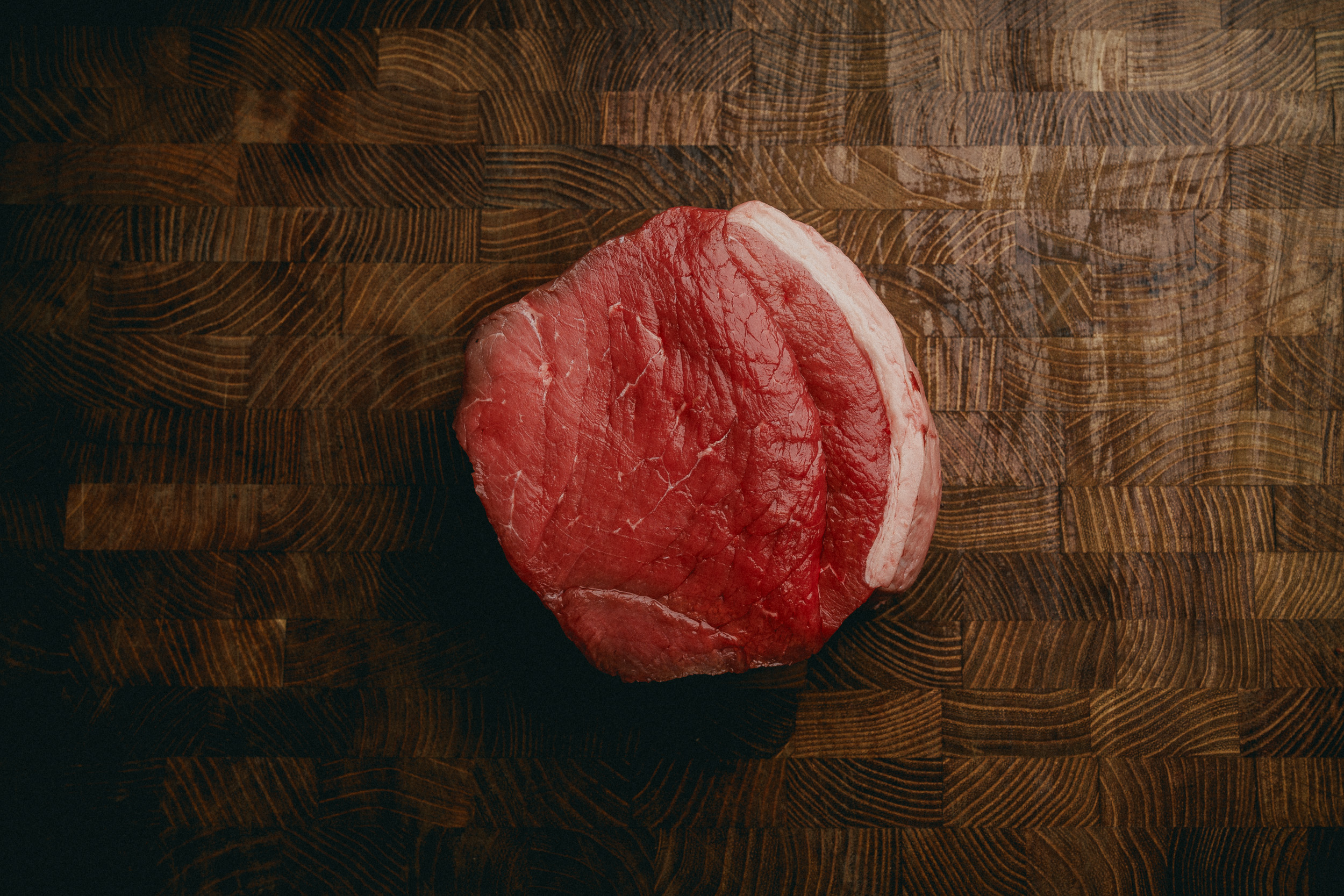
Foods that are naturally high in haem iron include:
Red meat – red meat is probably the single most easily accessible source of haem iron. Researchers have suggested that iron deficiency may be less likely in people who eat meat, poultry, and fish on a regular basis. Meat is also rich in protein and a wide range of micronutrients including zinc, selenium, and several B vitamins.
Organ meats – all organ meats such as liver and kidneys are high in iron. They are also high in protein and rich in Vitamin A, B vitamins, copper and selenium. Additionally, organ meats are among the best sources of choline, an important nutrient for brain and liver health that many people don’t get enough of.
Shellfish – all shellfish is high in iron, but clams, oysters, and mussels are particularly good sources. Shellfish are also a good source of protein, omega-3 fatty acids and a range of other micronutrients including Vitamin C and B12.
Fish – certain varieties of fish like tuna, haddock, mackerel and sardines are especially high in iron. Fish are also an important source of omega-3 fatty acids and contain other nutrients like selenium and Vitamin B12.
Turkey – dark turkey meat is a good source of iron, whereas the white meat contains a lot less. Turkey is also high in protein, several B vitamins and minerals, including zinc and selenium.
For non-haem iron the following are good food sources:
Legumes – beans, lentils, chickpeas, peas, and soybeans are good sources of iron and are also a good source of folate, magnesium, and potassium. The high levels of soluble fibre in legumes can support gut health. Combine legumes with meat and foods high in vitamin C, such as tomatoes, greens, or citrus fruits to maximize iron absorption.
Spinach and broccoli – like a lot of green vegetables, spinach and broccoli provide many health benefits but very few calories. Although the iron in spinach and broccoli is non-haem iron which is less well absorbed, they are also rich in Vitamin C to support the absorption.
Quinoa – this popular grain is higher in protein and antioxidants than many other grains and is rich in iron, as well as rich in folate, magnesium, copper, manganese, and many other nutrients.
Dark chocolate – a small serving of dark chocolate (minimum of 70% cocoa) contains impressive amounts of iron, copper and magnesium. In addition, it contains prebiotic fibre, which is beneficial to the bacteria in the gut. Cocoa powder and dark chocolate also have significant antioxidant activity similar to that of fruit extracts from berries and cherries.
With such a range of foods to choose from and combine, it’s not difficult to create meals that help to optimise our iron. However, as with many minerals, our iron needs are unique and what we eat may not equate to what we absorb. Therefore, if you are looking for more support to understand yourpersonal nutritional requirements and the best way to optimise them, please use the link below to book in for a complimentary 30-minute health and energy review.